
What You Should Know Before You Let Anyone Touch Your HVAC System
Most homeowners don’t think about their HVAC system until it stops working or their technician says, “You need a new one.” However, replacing your HVAC system is a major decision that affects more than just your comfort. Replacing your HVAC system impacts your finances, energy costs, indoor air quality, and, more importantly, the long-term health of your home and everyone inside it.
One of the most significant factors in determining how well your new system performs is whether it’s actually designed for your home. Unfortunately, most systems aren’t designed, sized, or installed correctly. Many contractors skip the critical design process and simply replace equipment based on rule-of-thumb sizing or what was previously in place. That’s not just incorrect, it’s risky. Over or undersized equipment, undersized ductwork, and poor airflow design will result in an expensive system that fails to perform optimally for maintaining environmental health.
In this article, we break down what proper HVAC system replacement entails, why designing a system is crucial, and how ACCA Manuals J, S, D, and T help guide your HVAC contractor through the process. We also include red flags to watch for. You’ll learn how to determine whether your technician is properly designing a system or simply replacing parts, and why this distinction matters.
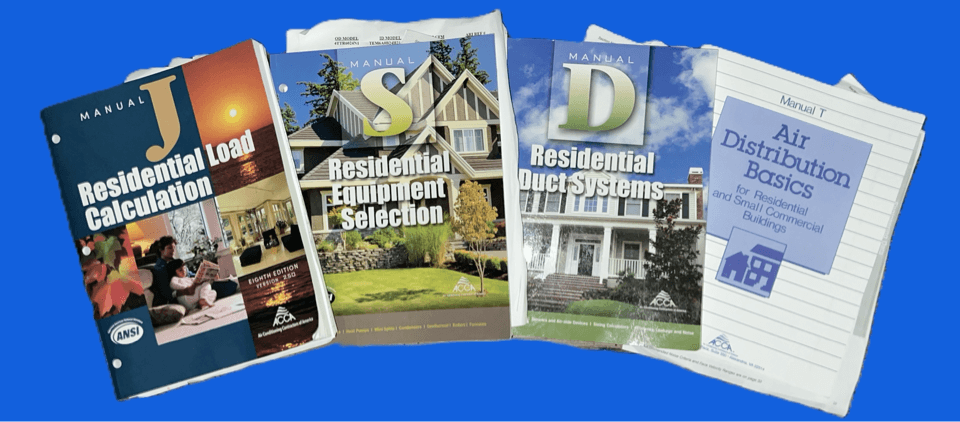
One of the most critical steps in replacing an HVAC system is proper design and planning. Most states require these design processes per national building codes set by the International Residential Code (IRC) Section M1401.3.(1) Although some contractors may suggest a system size based on generalizations or their past experiences, saying things like, “We just go by square footage,” or “We always use a 3-ton in houses like this,” statements like these are red flags because they rely on guesswork rather than mathematical data. While the technician or HVAC sales professional may sound confident, statements like this typically indicate that proper design work isn’t being done.
Additionally, some professionals and consumers often believe that a larger HVAC system is better; however, that is not true. Having a bigger or oversized HVAC system can cause more harm to your home and your health than you may realize. You may have been told that a bigger system is better, but that is a lie. A system that is too large will not run long enough to properly remove humidity, filter the air, allow the equipment to operate most effectively, or maintain temperatures. Oversized equipment causes short cycling, which occurs when the system rapidly cycles to cool or heat the home in frequent bursts instead of running a steady cycle. In a short cycle, the system does not run long enough to reach its intended performance. This means your system is under constant strain, is not operating as the manufacturer intended, or is not functioning as designed in accordance with the ACCA Manuals. This is highly problematic for removing humidity and filtering air, and can cause parts to wear out more quickly, ultimately leading to system failures and reducing their useful life. Oversized systems can lead to significant moisture issues, which in turn create microbial problems.
Every home and every client's needs are different, and therefore, a rule of thumb or generalization should never be used to size HVAC systems. Instead, they should be designed and selected based on a formal Manual J, S, D, and T, which takes into account the unique characteristics and building specifications of your home, rather than just its square footage. Without analysis like this, the system will not adequately manage temperature or humidity, leading to poor comfort, higher energy bills, and worse still, poor indoor air quality issues. A good contractor will never size a system by rule of thumb; they’ll test, measure, and verify the results.
The Design Process
At times, you may hear industry-specific vocabulary, such as the term “retrofitting.” This term refers to replacing an existing HVAC system in a building. How can you tell whether the company you hire to handle your HVAC replacement uses a design process to properly size your system? You can ask them!
Verify that the professional you hire performs a Manual J load calculation to accurately size your HVAC equipment. This step is not optional; it’s the foundation of a properly sized HVAC system. Without it, everything that follows — equipment selection, duct sizing, air distribution, and humidity control — is all guesswork. Many contractors attempt to skip or falsify this step, resulting in oversized systems that cause unnecessary issues and shorten the lifespan of your HVAC equipment. The professional team you want to work with will take these steps to design your system.
Be prepared. This is a process, similar to engineering, that uses nationally recognized standards set by the Air Conditioning Contractors of America (ACCA). A reputable contractor who performs this process correctly will typically charge for these services. Similar to other professional services, you would never expect not to pay your doctor for an X-ray or lab work they ordered to get you a diagnosis. Performing these manuals is part of an HVAC diagnostic process for your building, which is necessary to properly size your HVAC system and ensure the health of your building.
The technician should utilize the ACCA Manual series. There are no other guidelines they can follow for this process. The ACCA manuals are it. The process will entail them asking you questions about your home. They will need to assess your home, including your windows, insulation, and doors, measure the ceiling heights, and inquire about your behaviors within the home. Questions may include whether you entertain frequently, whether you keep interior doors closed, or whether you cook at home regularly. They will need to know the building's infiltration rate, which will likely require additional testing, such as a blower door test. (See more about HVAC testing in Episode #4 from our HVAC + D Mini Class Series Here) If you are building a new construction home, your HVAC professional will need a set of plans for your design. They should also be able to go over the results with you. Here is what each ACCA Manual covers and why it matters:
Manual J = Load Calculation or J-Load
As we have established, this serves as the starting point for HVAC design. It is a calculation that determines the amount of heat loss and gain your building experiences under the ACCA design criteria for your specific location. This room-by-room analysis provides an exact calculation of the British Thermal Units (BTUs) required for heating and cooling in your building. It considers factors such as building orientation, window and insulation data, number of people occupying the home, occupant activity, and other factors. This is not a quick process. Again, it will take time, and you will need to be prepared to pay for this calculation.
The Manual J calculation does not provide information about the system. It only provides the building's BTU, heat loss, and heat gain. (2) Every home continuously exchanges heat with its surroundings. Heat loss occurs when warmth escapes from the interior to the outdoors, and heat gain happens when unwanted heat enters the home from outside or from internal sources.
Manual J calculations take into account the insulation values of walls and ceilings, the type and orientation of windows, the tightness of the building envelope, the local climate, and the internal heat generated by daily living. The building envelope, a building's walls, roof, foundation, windows, doors, and air barriers, acts as the shell that controls this heat flow. If the envelope is poorly insulated or leaky, the HVAC system must work harder to maintain comfort, resulting in increased energy use and equipment wear.
When the building envelope and mechanical systems work together to control both heat loss and heat gain, the result is a home that is not only more efficient but also healthier, more durable, and more resilient year-round.
The goal of good design, and the purpose of Manual J, is to measure and control these transfers so the heating and cooling system can maintain a healthy, comfortable indoor environment without being oversized or overworked.
To learn more about Manual J, watch Episode #5A of our HVAC + D Mini Class
Series with Alex Meany.
Manual S = System or Equipment Selection
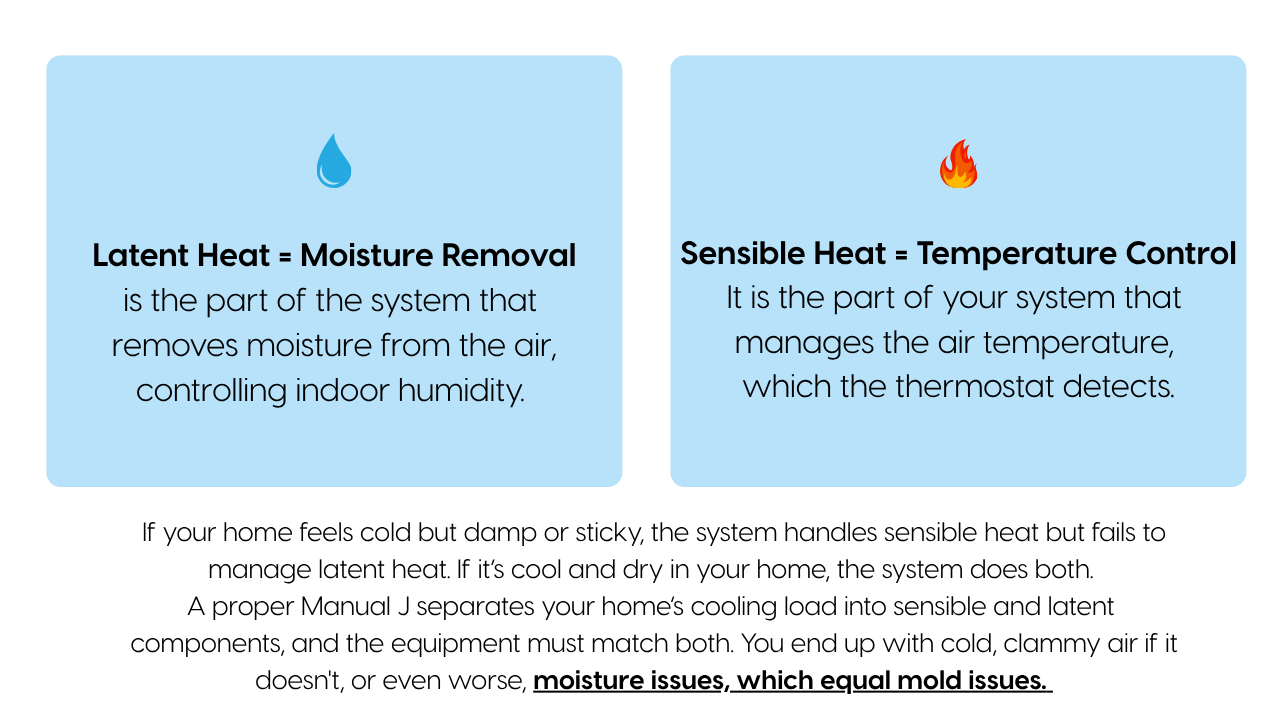
Once we know the building load, Manual S helps select the appropriate equipment to meet the load. This calculation is performed on the equipment to determine the actual delivered capacity, including sensible and latent heat, ensuring it can handle the load and BTU output under your specific conditions, as per Manual J. This information helps to ensure the system installed can handle your home's conditions, not just what is printed on the manufacturer's label. (3)
This is the step in which the system's actual size or tonnage is determined. As homeowners, you may hear, “You need a 3-ton unit for your home.” This step determines the tonnage decision. So, instead of guessing or relying on rules of thumb, like choosing a 3-ton or 4-ton unit based on square footage, Manual S selects the equipment based on its actual performance data under your home’s design conditions. The tonnage decision is made after the load calculation, using manufacturer performance tables to verify that the equipment can truly meet the home's sensible and latent demands.
To learn more about Manual S, watch Episode #5A of our HVAC + D Mini Class
Series with Alex Meany.

Manual D = Duct Design and Air Flow Mitigation
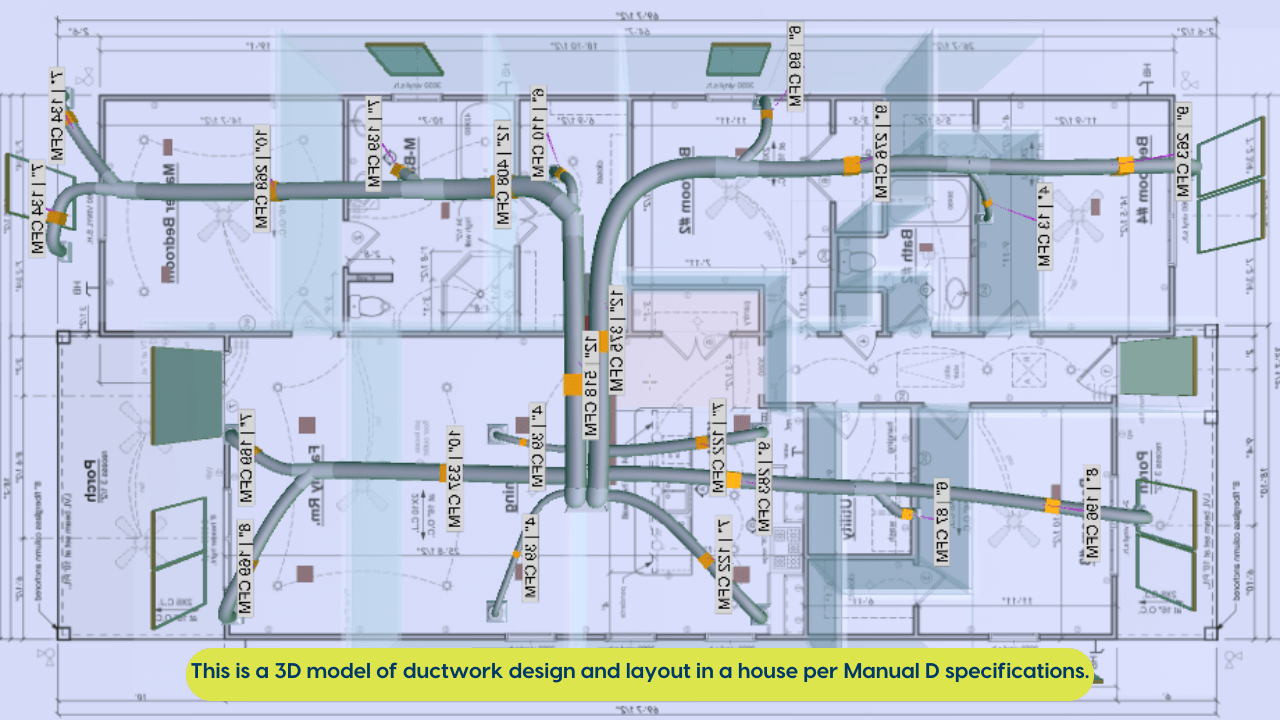
This calculation is performed to correctly size and layout your ductwork, so each room receives the right amount of air, as determined by the Manual J. Yes, it does matter how those spaghetti-like tubes in your attic or crawlspace are laid out. This ensures the system can deliver the required airflow to each specific part of your building. This calculation can become quite technical, incorporating factors such as friction loss due to duct length and shape, static pressure, and the selected system's blower capacity. Still, it is vital to have a properly designed system. A good Manual D can keep your system quiet, efficient, and balanced. (4)
To learn more about Manual D, watch Episode #5B of our HVAC + D Mini Class
Series with Alex Meany.

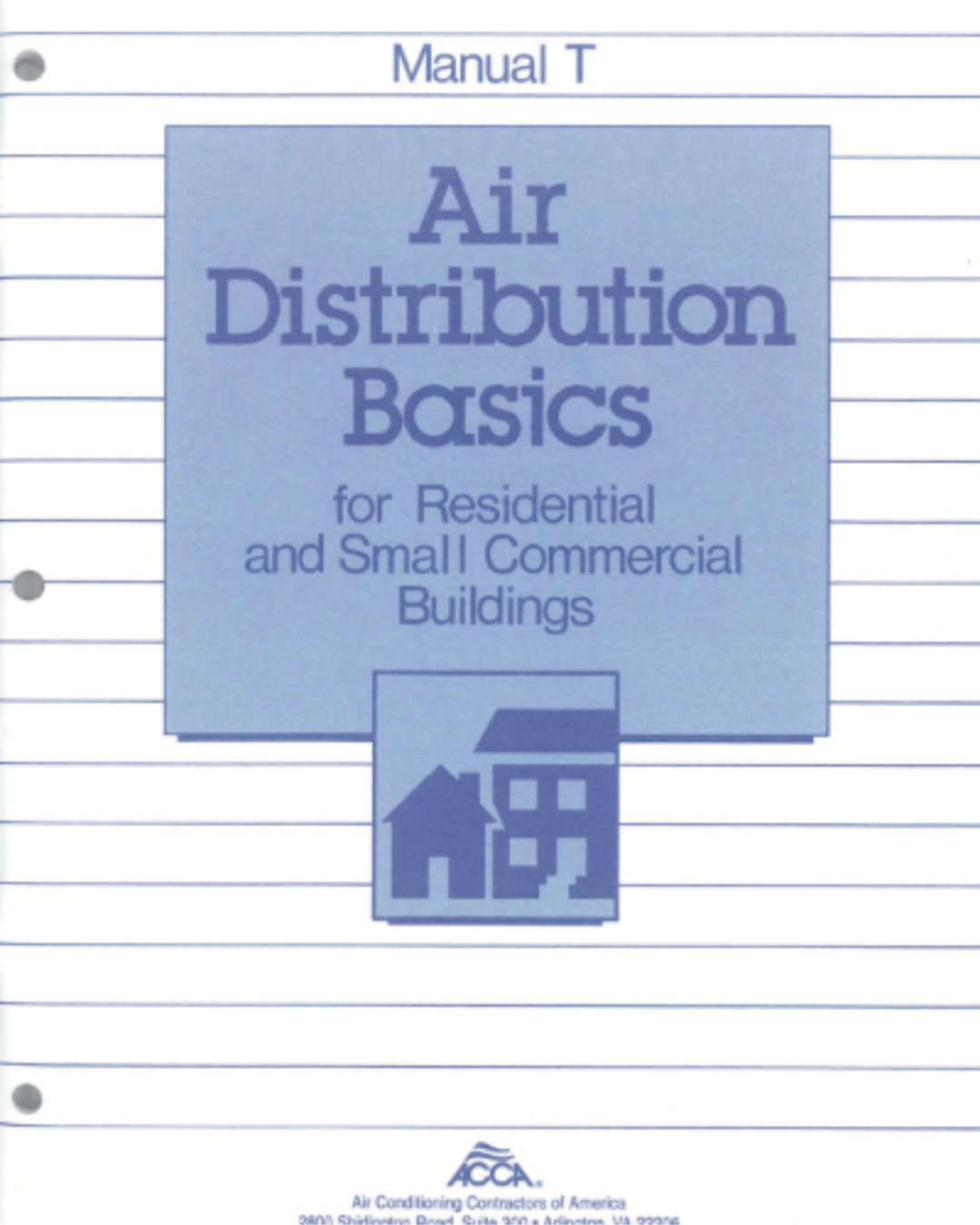
Manual T = Register and Grille Selection
This manual covers the register and grille choices for your building. It dictates the type, size, and placement that will best deliver and return air in each space. This is especially important in buildings with high ceilings, uniquely shaped rooms, or spaces with extensive glass. Not every situation requires a complete Manual T calculation, but it is a beneficial tool for high-performance homes and sensitive occupants. (5)
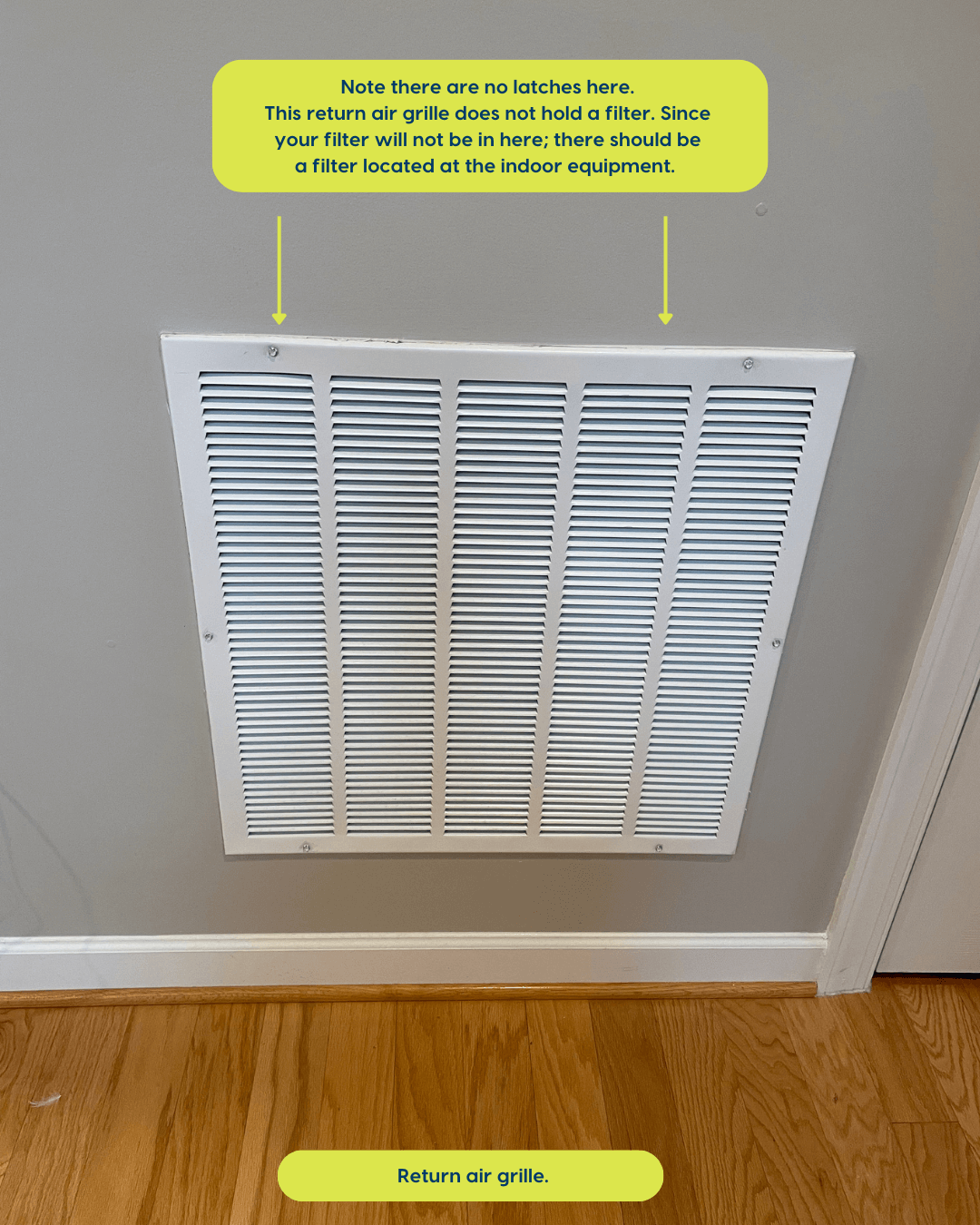
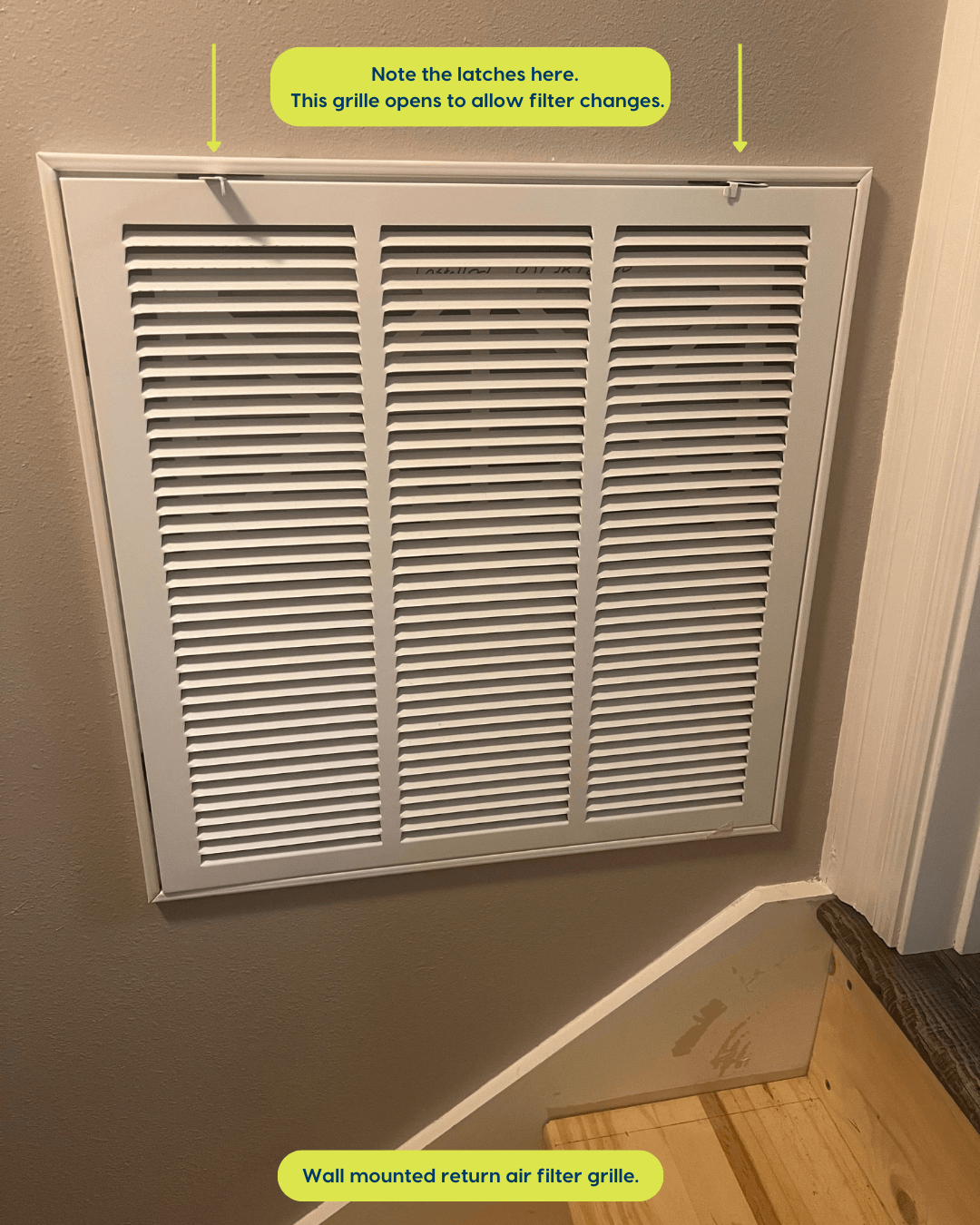
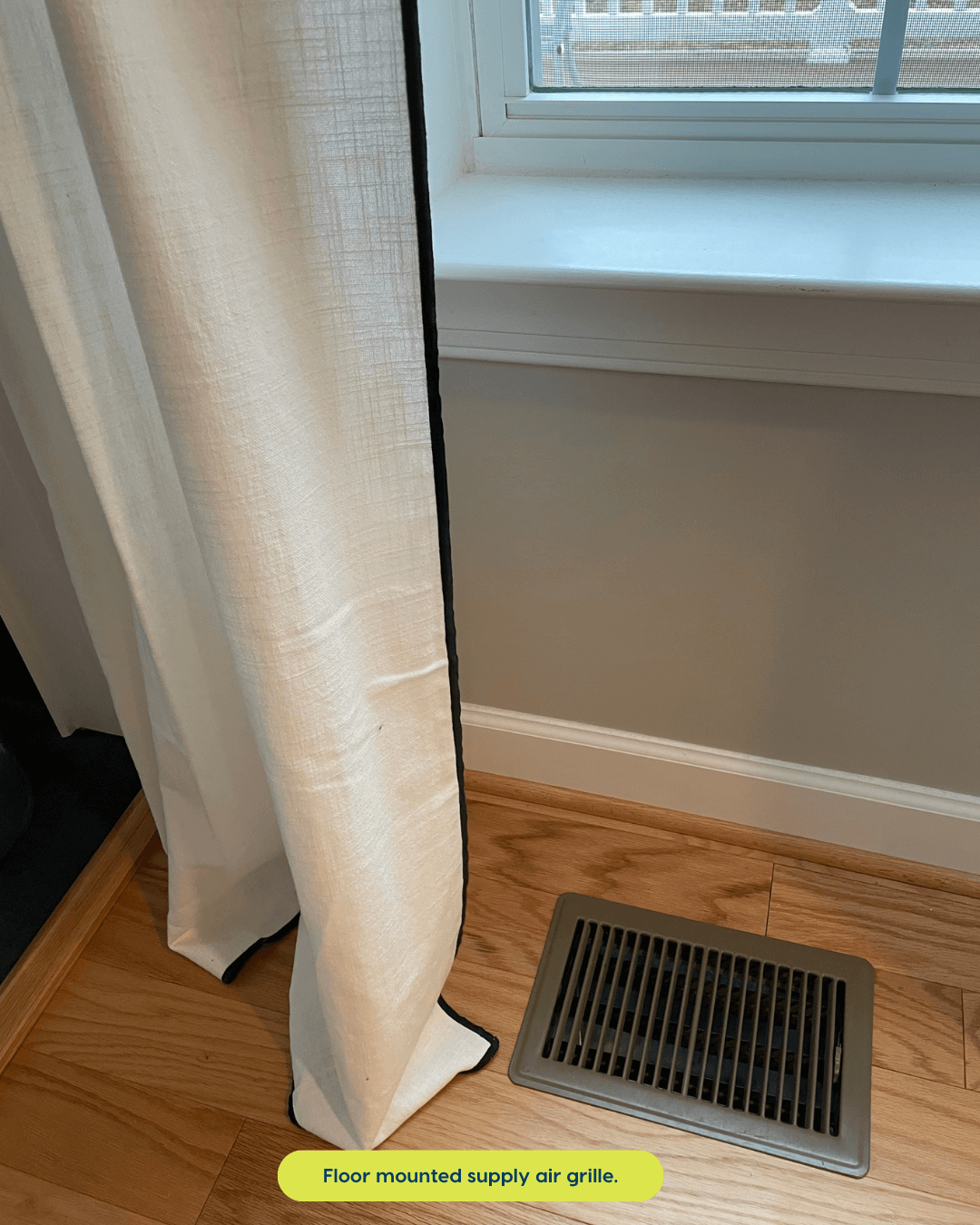
The difference between an HVAC grille and a register is simple. A register is a grille; however, it has an adjustable damper. Registers are primarily used on the supply side of the HVAC system, meaning the vents that provide air to the building. The register and damper allow supply air to be controlled, but they can cause airflow restrictions. HVAC grilles have a fixed or hinged cover over a duct opening. They are used for supply air and return air in the system. They do not have a damper attached.
To learn more about Manual T, watch Episode #5B of our HVAC + D Mini Class
Series with Alex Meany.
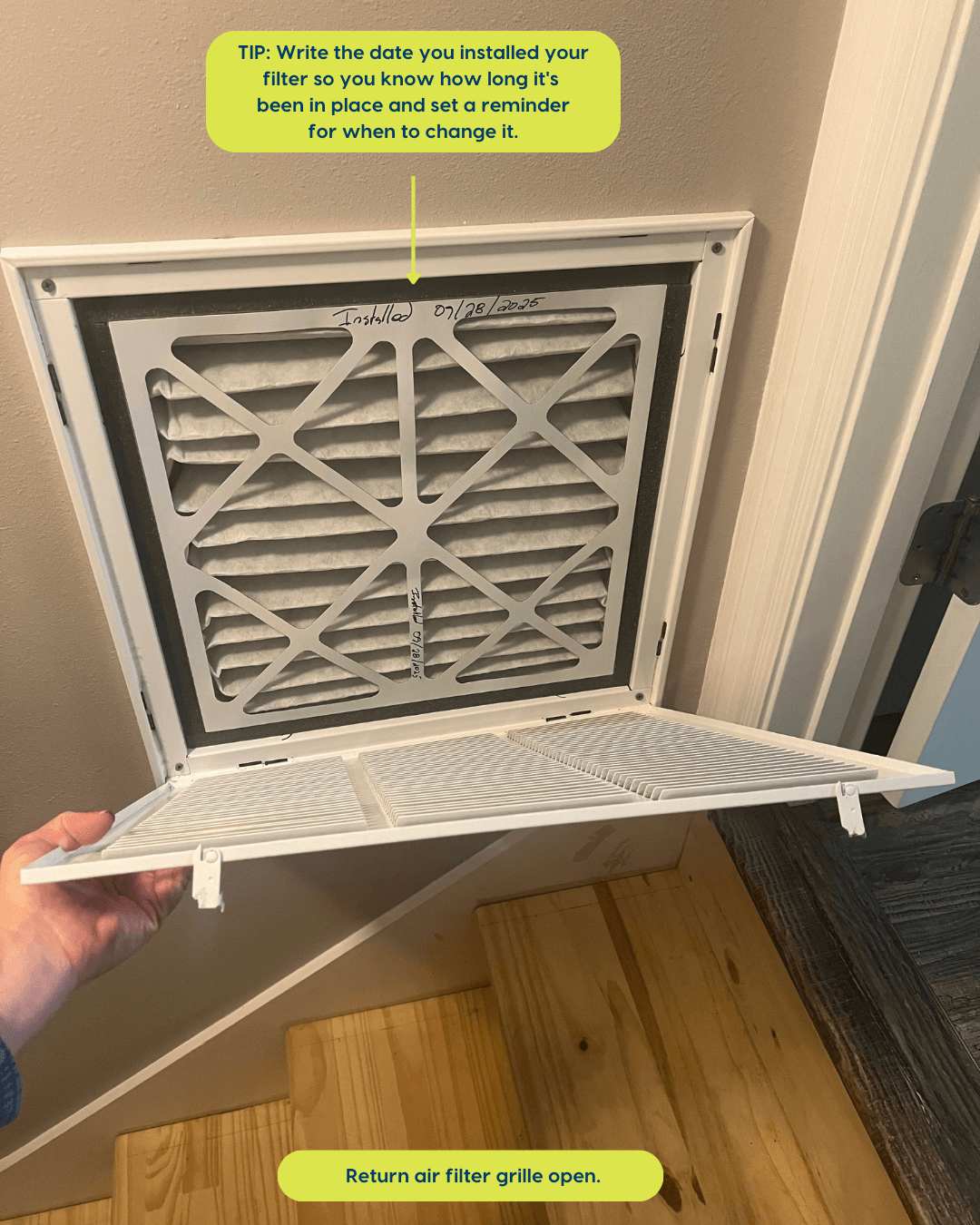
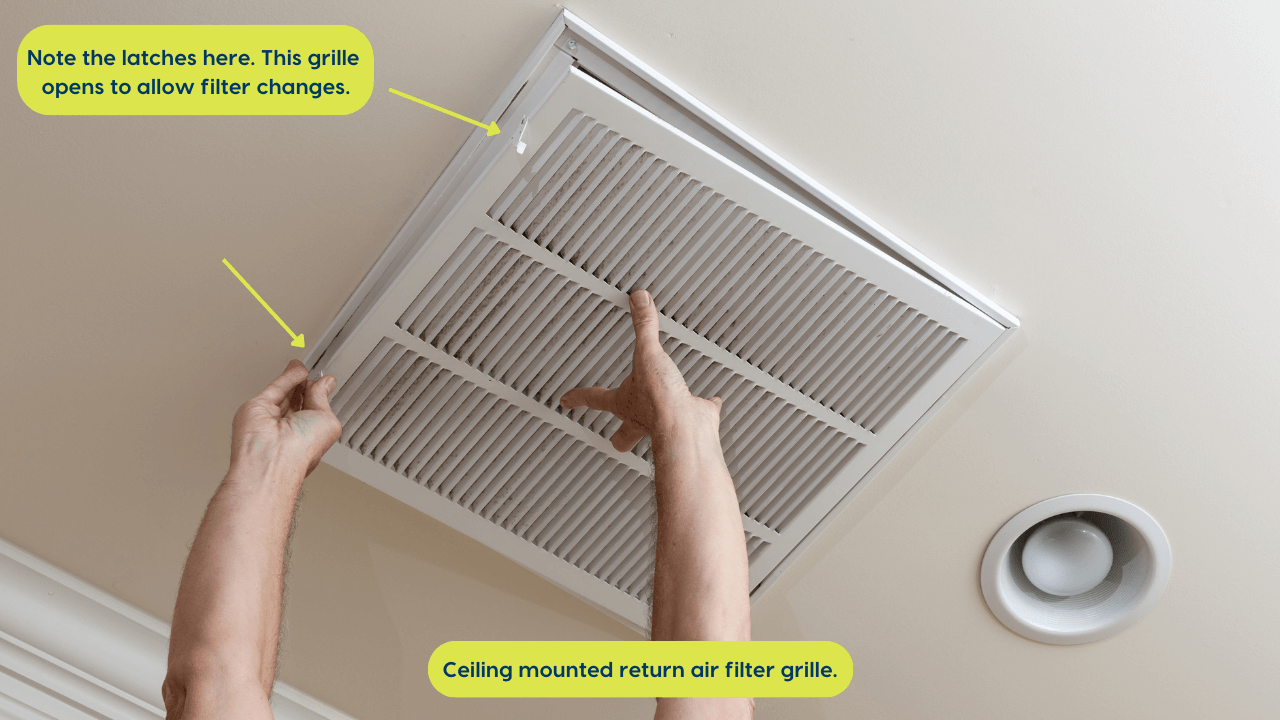
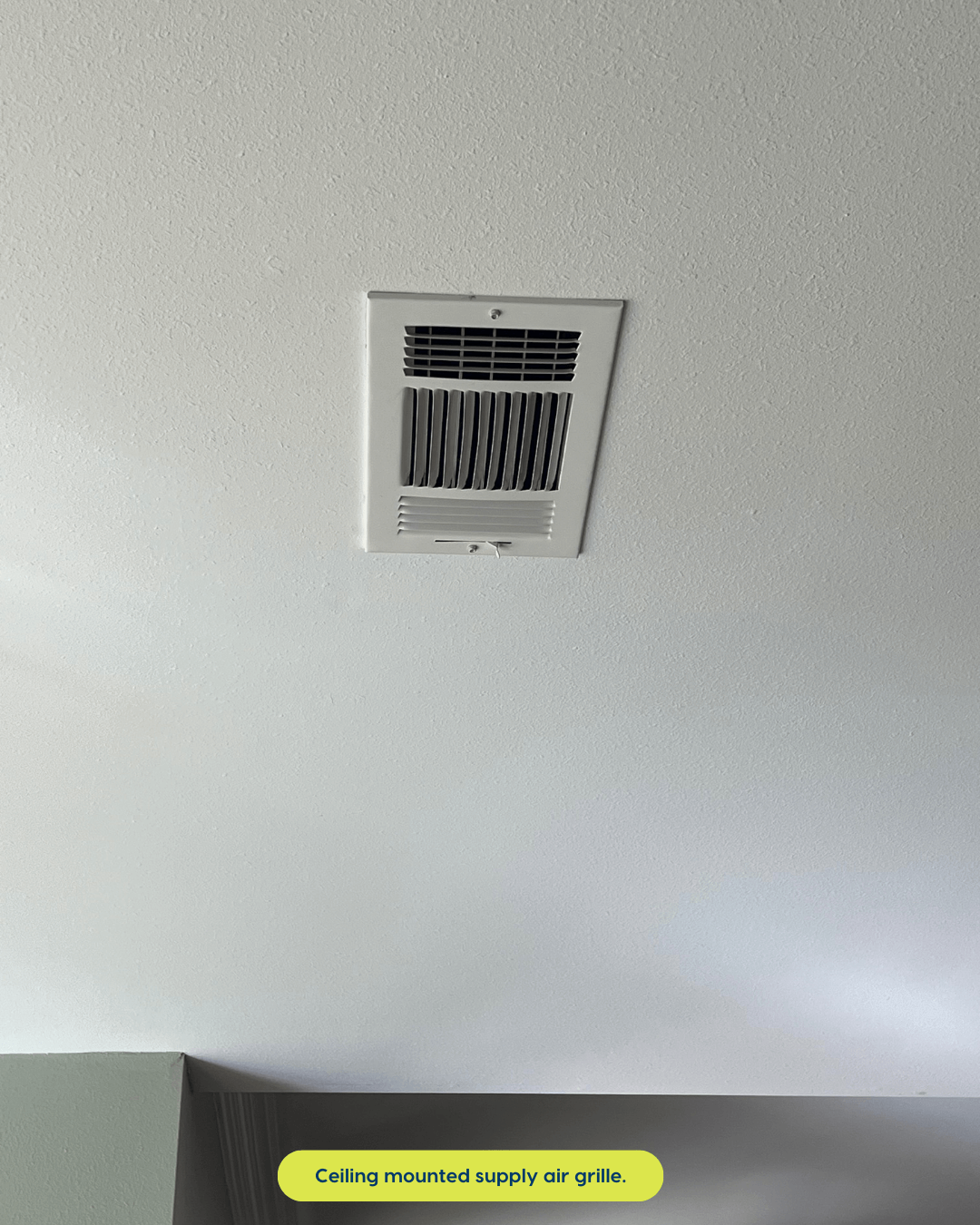
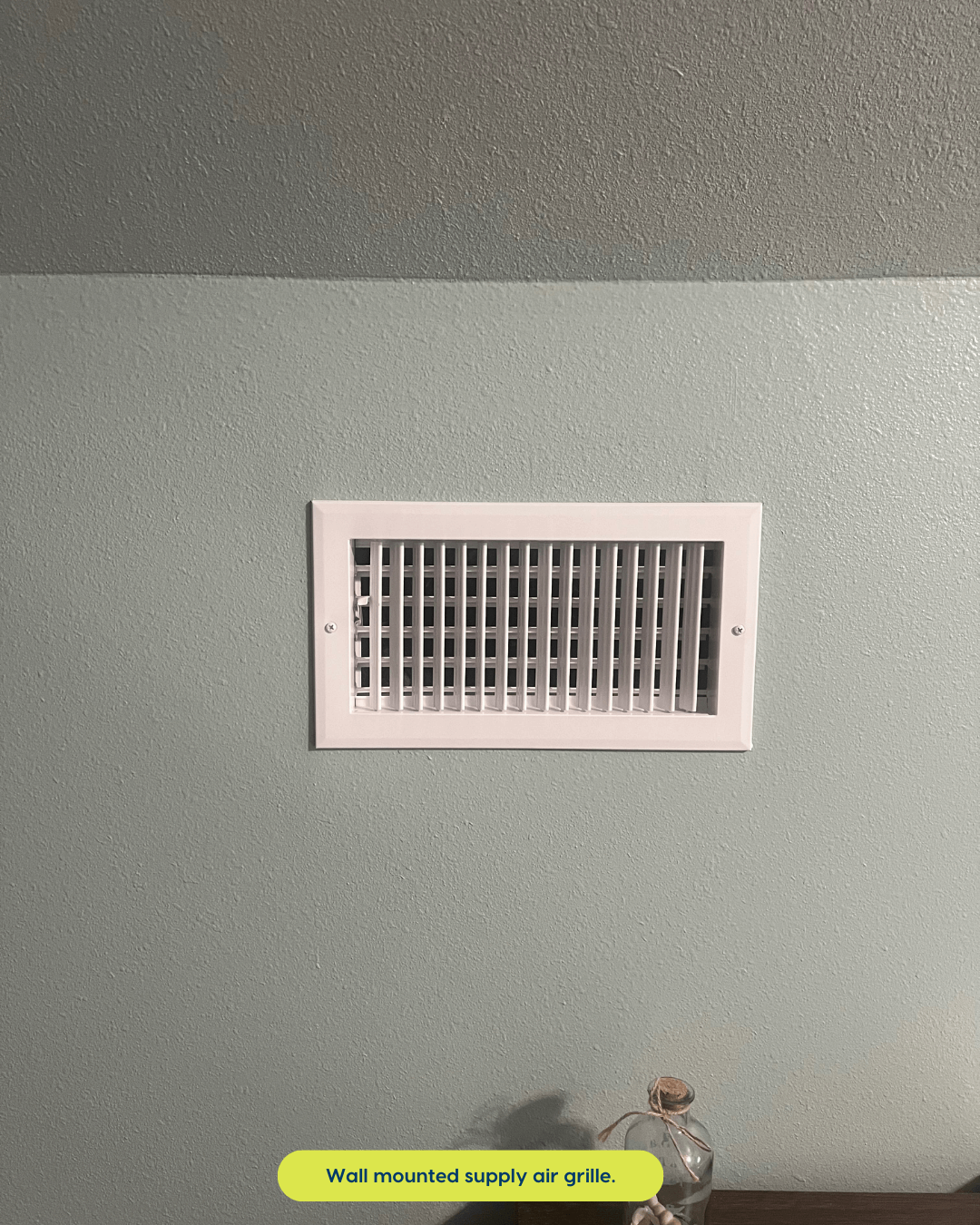
Hopefully, you are beginning to see how these all connect and are crucial to ensuring your HVAC system functions properly, thereby supporting good health for your building and you. If your HVAC contractor knows nothing about or cannot give a basic explanation of these manuals, they may not be the contractor for you. If they say these are unnecessary, they are not designing your system; they are guessing, which is a no-go and not the contractor you want replacing or working on your home's HVAC system.
Red Flags on Your Manual J
Again, if you need an HVAC replacement, ask the technician whether they plan to size and design the system correctly for you. Based on the information above, the answer should be “yes.” From there, you need to ask how they plan to do that, and whether they will size the system to control both temperature and humidity.
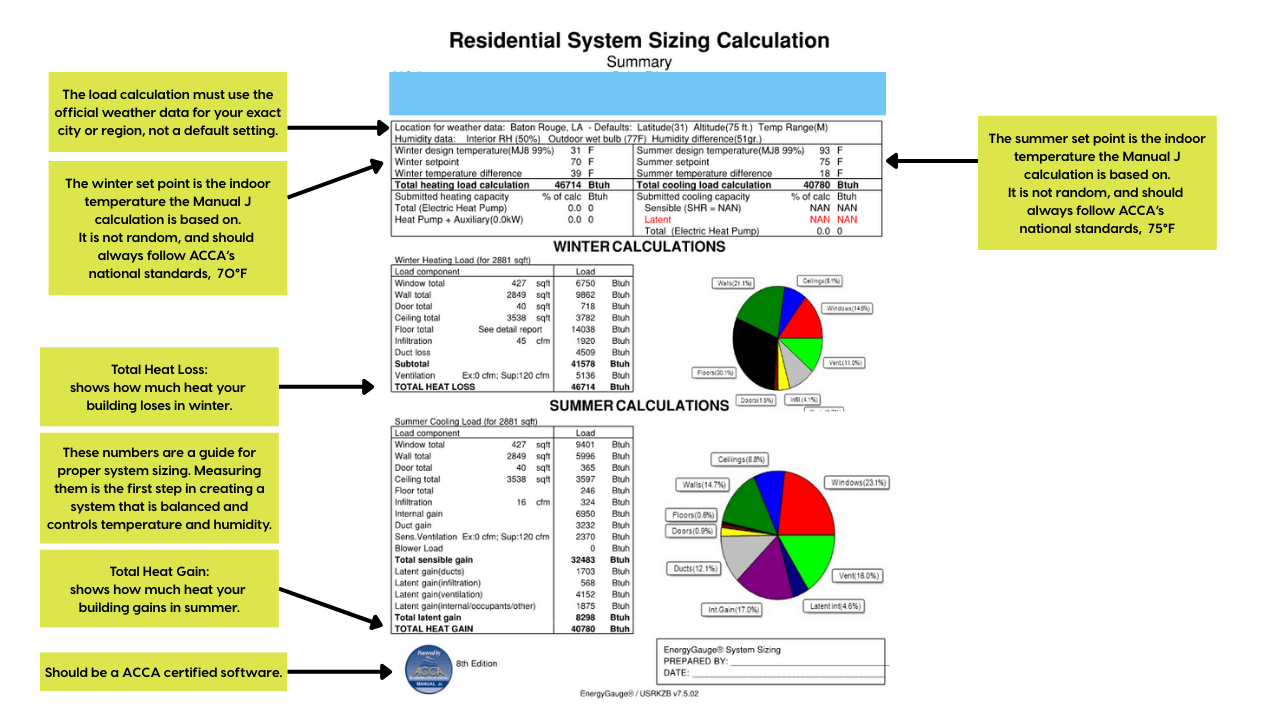
If your contractor claims to have performed a Manual J analysis on your home, always request a copy of the report. You paid for this, so it is yours to keep for your records. Verify that it includes your name and address. This may seem silly to look for, but you would be surprised at how many contractors reuse these calculations from client to client. A few other red flags you can easily identify are:
- Ensure the square footage listed on the report matches the square footage of your home or building. It should also show a breakdown of the square footage per room, not just a total. The most accurate Manual J reports accurately represent individual loads and show BTU per room.
- The Manual J will reflect a weather data location at the top of the report. This must use official weather data for the specific city or region where the building is located. This data comes from long-term climate records for that area, not from a guess or from a different city. The software automatically pulls these design temperatures based on the zip code or the chosen weather station. Double-check the location is accurate for your area.
- Ensure the winter and summer design temperatures are accurate and in accordance with ACCA’s guidelines. Ask the technician or the person performing the calculation to show you the reference points used to obtain the design conditions. For example, if you live in a hot, humid climate where summer temperatures realistically exceed 100°F, ACCA requires the contractor to limit the hottest summer design temperature to 93°F. This indicates that if the system is designed correctly, it may run continuously on hot summer days when the outdoor temperature exceeds 93°F. While this may seem extreme and concerning that your system is running constantly, it is what ACCA mandates the contractor to do and what manufacturers design HVAC equipment to accommodate. ACCA provides guides that indicate specific design conditions for contractors based on the building's location. Sometimes it may be the neighboring town or city, but these guidelines must be followed to ensure a correct design. In colder climates, the same principle applies in reverse. For winter heating design, ACCA requires contractors to use the published winter design temperature for that location, even if homeowners occasionally experience much colder temperatures. For example, if the winter design temperature for a city is 5°F, but the area sometimes dips below 0°F, the system is still designed around 5°F. This means that on the coldest days of the year, the equipment may run for long cycles or even continuously. That is expected, and a sign that the system was appropriately sized. These standards can help protect your home from oversizing issues, such as short cycling mentioned earlier.
- Ensure the winter and summer set points are in accordance with ACCA’s guidelines. These setpoints are the indoor temperatures on which the Manual J calculation is based. These are not random and should always follow ACCA’s national standards: the winter indoor set point of 70°F and the summer indoor set point of 75°F. These numbers do not vary by location and should not change from one contractor to another. ACCA sets these as the national design defaults, so calculations are consistent and comparable across the country.
- Verify the number of occupants in your home is accurate. Sometimes, contractors may attempt to add people to a Manual J calculation to size a system larger. More people equals more body heat and increased humidity that needs to be removed. ACCA defaults to one occupant per bedroom plus one extra unless otherwise specified. Therefore, a 3-bedroom house typically accommodates 4 occupants, unless adjustments are made. The Manual J should not state that 6, 8, or 10 people live in the home if only 3 or 4 live there.
Final Thoughts
Replacing your HVAC system isn't just a transaction; it's an opportunity to heal your home's indoor air quality and long-term health. But that only happens when it's done right. Ensure your contractor follows the full design process, utilizing the ACCA Manuals J, S, D, and T. Don’t hesitate to ask questions, request documentation, and never settle for “we’ve always done it this way.” A qualified HVAC contractor doesn't guess; they test, measure, and verify the results. A properly designed system isn’t just better for your home, it’s better for you!
Related Resources:
Watch How To Find A Qualified HVAC Contractor with Becky Callegan HERE.
Watch HVAC Design: Recognize Proper HVAC Design and the Importance of Manual J & S with Alex Meaney HERE.
Watch HVAC Design: Understanding Proper Ductwork Design and the Importance of Manual D & T with Alex Meaney HERE.
Watch to Learn the Pros and Cons of Different HVAC Equipment Options with Adam Mufich HERE.
Access the entire HVAC+D Mini Class Series for more information on HVAC, dehumidification, and your home's health HERE.
You can read another article about the importance of HVAC maintenance, what to expect during routine maintenance, and red flags to watch for HERE.
References: